
- How to plan a demolition project for construction recycling
- Ways contractors can separate and manage demolition debris
- How to keep hazardous and prohibited materials out of recycling loads
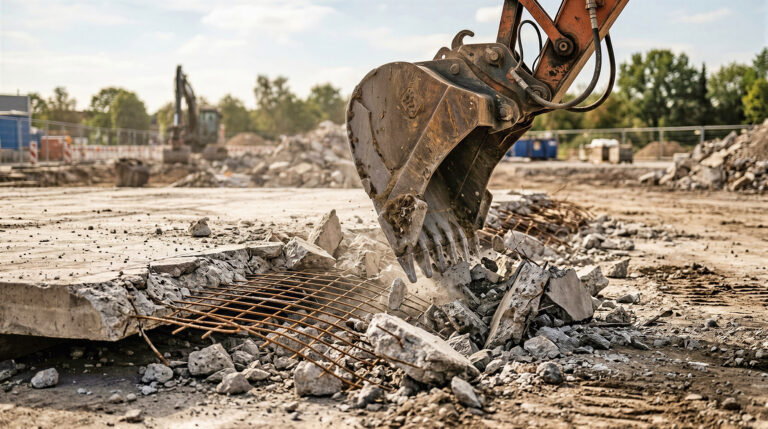
Demolition moves fast once the work gets underway. Walls come down, concrete gets broken up, containers fill, and trucks start moving material off the site. If nobody has thought about recycling until that point, it can be difficult to go back and separate materials that have already been mixed together. A little planning before demolition starts can make the entire process easier and give more of the material coming out of a building a chance to be recycled.
C&D Recovery in Clarksburg, MD, works with construction and demolition materials from projects throughout Maryland and the Washington, DC area. Concrete, brick, block, metal studding, natural wood, cardboard, asphalt roofing shingles, and other approved materials don’t necessarily have to be treated as waste just because they’re being removed from a building. The key is knowing what the project will generate and having a plan for those materials before the first wall comes down.
1. Know What’s in the Building Before Demolition Starts
Every demolition project is different. A concrete warehouse, an older masonry building, and a commercial interior renovation can produce completely different types and quantities of debris. Walking the project ahead of time gives the contractor an opportunity to identify materials that may be recyclable and, just as importantly, spot materials that could cause problems later.
This is also the time to look for anything that may require special handling. Older buildings can contain asbestos and other materials that shouldn’t be mixed with regular construction debris. Tanks, drums, batteries, liquids, contaminated materials, and other prohibited items can also turn up during demolition. Identifying those materials before heavy demolition begins makes it much easier to keep them out of loads headed to a construction recycling facility.
2. Decide How Materials Will Be Handled on the Job Site
Once you have a good idea of what will be coming out of the building, decide how you’re going to handle it. On some projects, separating concrete, masonry, metal, wood, and other materials as they’re removed may make sense. On others, the volume of material, available space, and project schedule may call for a different approach.
The important part is making that decision before the site gets busy. When operators and laborers know where materials are supposed to go, there’s less confusion and less sorting to deal with later. It also helps prevent recyclable material from becoming mixed with general trash or prohibited items. Recycling shouldn’t have to slow down demolition. With a good plan, it can simply become part of how material moves through the job.
3. Keep Batteries and Problem Materials Out of the Load
One wrong item can create a much bigger problem than you might expect. Batteries are a good example. Lithium-ion batteries can be found in power tools, electronics, equipment, and plenty of other products that may be left behind in a building. If a battery gets crushed or damaged while mixed with demolition debris, it can overheat and start a fire.
C&D Recovery does not accept batteries, hazardous waste, asbestos, contaminated soils, liquid waste, and a number of other materials that require different handling. Crews should know about these restrictions before demolition starts rather than discovering them when a container is already full. Setting aside a designated area for questionable or prohibited materials can help keep them from accidentally ending up in the wrong load.
4. Have Your Containers and Hauling Plan Ready
Containers can fill quickly on an active demolition project, especially when you’re dealing with concrete, masonry, roofing material, or a large commercial structure. Figuring out container placement, sizes, pickup schedules, and where the material is going ahead of time can prevent a full container from becoming a bottleneck in the middle of the job.
C&D Recovery’s sister company, EAI Rolloff, provides roll-off containers and hauling services for construction and demolition projects throughout Maryland, Washington, DC, Northern Virginia, and the surrounding region. Coordinating hauling with the demolition schedule helps keep containers moving and gives crews a clear place for debris as it’s generated. On larger jobs, that coordination can make a noticeable difference in keeping the site organized and the demolition moving.
5. Know Where the Material Is Going Before the Project Begins
The middle of a demolition project isn’t the best time to start looking for somewhere to take the debris. Knowing your recycling destination ahead of time allows you to check what the facility accepts, understand what needs to stay out of the load, and make sure your job-site plan matches the facility’s requirements.
C&D Recovery accepts a wide range of approved construction and demolition materials at its Clarksburg facility, including concrete, brick, block, asphalt roofing shingles, natural wood and brush, cardboard, metal studding, and road and bridge materials. Contractors should review the current Items We Accept and Items We Don’t Accept guidelines before work begins, particularly when a project is expected to generate unusual materials. If you’re not sure about something, checking before it goes into the container is a lot easier than dealing with it after the truck has been loaded.
A Better Demolition Plan Starts Before the Machines Do
Making a demolition project easier to recycle doesn’t require adding a complicated new process. Most of it comes down to knowing what’s in the building, deciding how materials will be handled, keeping problem materials out of recyclable loads, and having containers and a recycling destination lined up before work gets busy. Those decisions can help keep the site cleaner and make material handling easier from the first day of demolition through final cleanup.
There is also a natural connection between demolition and recycling across the Pleasants Companies. Pleasants Construction performs demolition and material-processing work, EAI Rolloff provides containers and hauling, and C&D Recovery processes approved construction and demolition materials at its Clarksburg facility. For contractors managing their own demolition projects, the same basic idea applies: plan where the material is going before you start generating it. That small amount of work on the front end can make a big difference once demolition is underway.