
Keys to Remember
- How contractors can prepare construction sites and debris for winter weather
- Winter tips for managing construction waste, containers, and recyclable materials
- How to keep construction debris organized and ready for recycling during winter
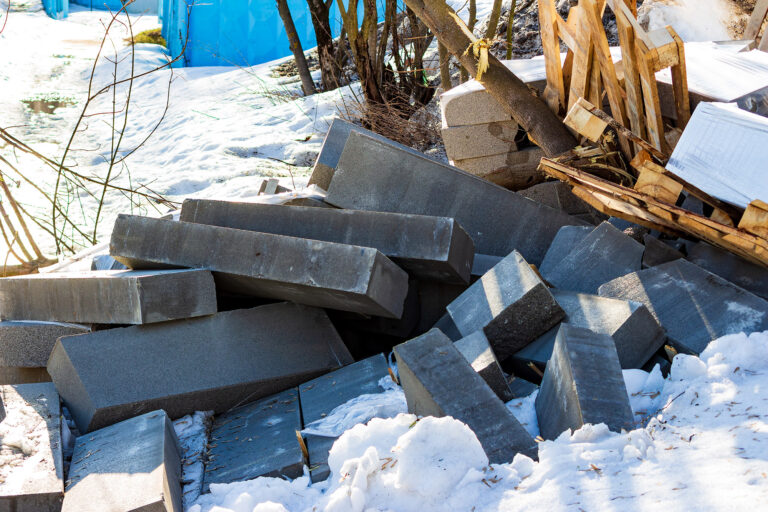
Winter can make just about everything on a construction site a little more difficult. Cold temperatures, shorter days, frozen ground, snow, and ice can slow down work that was pretty straightforward a few months earlier. Add piles of construction debris and full containers to the mix, and a job site can get messy quickly if there isn’t a plan in place.
Getting ahead of winter cleanup doesn’t have to be complicated. The goal is simply to get loose material under control, know what can be recycled, make sure containers and trucks can get where they need to go, and avoid letting debris become another problem when bad weather arrives. C&D Recovery in Clarksburg, Maryland, accepts a wide range of construction and demolition materials from projects throughout Maryland and the Washington, DC area. Before winter settles in, here are seven things contractors can do to make waste and debris management easier for the months ahead.
1. Clean Up What You Can Before the Weather Changes
If there’s debris sitting around the job site that you already know needs to go, don’t wait for the first snow or hard freeze to deal with it. Concrete, brick, block, wood, cardboard, roofing material, and other construction debris becomes harder to manage when it’s buried under snow or frozen to the ground. Something that takes an hour to clean up on a dry fall afternoon can turn into a much bigger job after a few weeks of winter weather.
This is a good time to walk the site and look for leftover materials from earlier phases of the project. Clean up areas where debris has collected, move recyclable material where it belongs, and get full containers hauled out before they become an obstacle. Besides making the site easier to manage during winter, a good cleanup gives crews more room to work and makes snow removal easier when the first storm arrives.
2. Know What You’re Keeping and What Needs to Go
Construction sites have a way of collecting materials. A few leftover pallets, pieces of concrete, scrap material, cardboard, and old building products don’t seem like much individually, but by the end of the season they can take up a surprising amount of space. Before winter, figure out what’s actually going to be used again and what’s simply been sitting around because nobody has made a decision about it.
C&D Recovery accepts a variety of approved construction and demolition materials, including concrete, brick, block, asphalt roofing shingles, natural wood and brush, cardboard, metal studding, and road and bridge materials. If those materials are no longer needed on the project, recycling them before winter can free up valuable space. It’s also worth checking the current Items We Accept guidelines before loading anything so you know exactly what can be brought to the facility.
3. Keep Problem Materials Out of Your Debris
Winter isn’t the time to discover that a container has batteries, liquids, hazardous material, or other items mixed into the construction debris. Once everything is covered in snow, wet, or frozen together, finding and separating problem materials becomes much harder. Before the weather gets bad, make sure crews and subcontractors understand what should and shouldn’t be going into your construction debris containers.
C&D Recovery does not accept batteries, asbestos, hazardous waste, contaminated soils, liquid waste, residential trash, and several other prohibited materials. Batteries are especially important because they can become a fire hazard when crushed or damaged during transportation or processing. Giving crews a separate place for questionable materials and checking containers regularly can help prevent a small mistake from becoming a bigger problem later.
4. Think About Where Your Containers Are Sitting
A roll-off container that works perfectly in July may be sitting in exactly the wrong place once winter arrives. Think about how snow will be plowed, where piles of snow are likely to end up, and whether a truck will still have enough room to reach the container after a storm. A container tucked into a convenient corner of the job site isn’t very convenient if a roll-off truck can’t safely get to it.
This is also a good time to look at the ground around the container. Keeping the approach clear and making sure the area is accessible can help avoid delays when it’s time for a pickup or swap. If you’re planning container service for a winter project, C&D Recovery’s sister company, EAI Rolloff, provides roll-off containers and hauling for construction and demolition projects throughout Maryland, Washington, DC, Northern Virginia, and the surrounding region. Working out container placement and pickup needs ahead of time can save a lot of headaches once winter weather starts affecting the site.
5. Don’t Let Containers Become an Afterthought
When schedules get tight toward the end of the year, it’s easy to focus on finishing the actual construction work and deal with debris whenever there’s time. That can leave you with overflowing containers or piles of material waiting to be moved right when winter weather starts causing delays.
Keep an eye on how quickly containers are filling and schedule pickups before they become a problem. If a project is moving into a demolition, renovation, or cleanup phase that will generate more debris than usual, plan for it before the work begins. Coordinating with EAI Rolloff ahead of time can help make sure the right containers and hauling schedule are in place instead of waiting until a full container is holding up the job.
6. Keep Loose Materials Under Control
Winter wind can turn lightweight construction debris into everybody’s problem. Cardboard, packaging, plastic, and other loose materials that stay put on a calm day can end up scattered across the job site or neighboring property when the weather changes. Snow can also hide smaller debris, leaving crews to discover it weeks later when everything starts melting.
Regular cleanup goes a long way toward preventing this. Keep cardboard and other recyclable materials together, secure lightweight debris, and don’t allow waste to pile up around containers. It’s a simple habit, but it keeps the site looking better and makes winter cleanup much easier. It also gives crews a clearer picture of what materials can be recycled instead of everything ending up in one mixed pile at the end of the project.
7. Have a Plan for Where Your Debris Is Going
The middle of a winter storm isn’t the ideal time to start figuring out where you’re going to take construction debris. Before cold weather arrives, know which materials your project is likely to generate, how they’ll be collected, who will haul them, and where they’ll go once they leave the job site. Having those pieces figured out ahead of time makes it much easier to keep debris moving even when weather starts affecting the schedule.
C&D Recovery provides contractors, builders, businesses, and property owners with a local option for recycling approved construction and demolition materials at its Clarksburg facility. Before bringing a load, check the current Items We Accept and Items We Don’t Accept guidelines and make sure there’s nothing mixed in that requires special handling. If you’re not sure about a material, call before loading it. It’s much easier to answer that question while the material is still sitting on the job site than after the truck is already on the road.
A Little Winter Prep Goes a Long Way
Preparing a construction site for winter doesn’t mean you need to completely change the way you manage debris. Most of it comes down to doing the cleanup you’ve been meaning to do, getting recyclable materials where they belong, keeping prohibited materials out of containers, and thinking ahead about how trucks and equipment will move around the site once snow and ice become part of the equation.
The sooner those decisions are made, the easier it is to keep the job moving through the colder months. C&D Recovery can handle approved construction and demolition materials at its Clarksburg, MD facility, while EAI Rolloff can help contractors plan roll-off containers and hauling for projects throughout the region. Getting both sides of the process figured out before winter weather arrives means fewer surprises when the forecast starts calling for snow.