
- Construction materials accepted for recycling in Maryland
- What you can bring to C&D Recovery
- Construction debris recycling guide for contractors
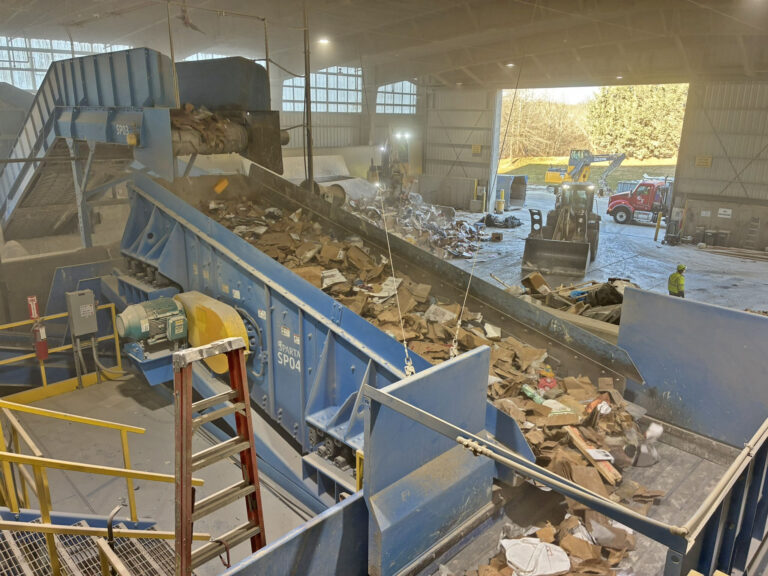
One of the most common questions contractors, builders, and property owners ask before arriving at C&D Recovery is, “What materials do you accept?” It’s an important question because bringing the right materials helps keep your project moving, avoids unnecessary delays, and allows more construction debris to be recycled instead of ending up in a landfill.
Every day, construction and demolition projects generate large amounts of reusable material. Concrete from sidewalks, brick from building renovations, roofing shingles, metal, cardboard, and natural wood are just a few of the items that can often be recycled instead of discarded. Knowing what can and cannot be accepted before loading your truck or trailer saves time for everyone and helps make the recycling process as efficient as possible.
Why Accepted Materials Matter
Not every recycling facility accepts the same materials, which is why it’s always worth checking before making the trip. Construction debris that contains hazardous materials, household trash, or other prohibited items can slow down the unloading process and may require additional sorting before it can be handled properly.
At C&D Recovery, our goal is to make recycling construction and demolition debris as straightforward as possible. By understanding what belongs in your load before you leave the job site, you can avoid surprises and help keep recyclable materials out of local landfills. Contractors who build this habit into their daily workflow often spend less time dealing with disposal and more time focusing on the work that matters.
Common Materials We Accept
C&D Recovery accepts a wide variety of construction and demolition materials from projects throughout Maryland and the Washington, DC metro area. Some of the most common materials brought to our facility include concrete, brick, block, asphalt roofing shingles, construction debris, demolition debris, natural wood and brush, cardboard, metal studding, road and bridge materials, and cut drums or tanks that meet acceptance requirements.
Many of these materials can be processed and recycled for future use, reducing the need for new raw materials while supporting more sustainable construction practices. Materials like concrete can be crushed and reused, while metal, cardboard, and clean wood can often be recovered and returned to productive use instead of occupying valuable landfill space. If you’re interested in learning more about one of these materials, check out our article on Concrete Recycling in Maryland to see how one of the industry’s most common materials gets a second life.
Materials We Cannot Accept
Knowing what isn’t accepted is just as important as knowing what is. Certain materials require specialized handling or disposal methods and cannot be mixed with recyclable construction debris. This includes hazardous waste, asbestos, contaminated soils, residential trash, industrial waste, liquid waste, batteries, automobiles and parts, bulk waste, burnt materials, and several other prohibited items.
Including prohibited materials in a load can delay unloading, increase disposal costs, or require the load to be redirected to another facility that is equipped to handle those items. Taking a few minutes to review accepted materials before leaving your job site helps avoid these situations and keeps the recycling process running smoothly.
Preparing Your Load Before You Arrive
A little preparation goes a long way. Before transporting construction debris to C&D Recovery, it’s worth taking a few extra minutes to separate recyclable materials from anything that isn’t accepted. Keeping materials organized also makes unloading faster once you arrive at the facility.
A few simple steps can help make your visit easier:
- Separate recyclable materials whenever possible.
- Remove hazardous or prohibited materials before loading.
- Secure your load for safe transportation.
- Review the accepted materials list if you’re unsure about an item.
- Contact C&D Recovery if you have questions before making the trip.
These small steps help keep projects on schedule while making the recycling process more efficient for everyone involved.
Recycling Supports Better Construction Practices
Construction recycling has become an important part of modern building practices throughout Maryland and Washington, DC. More contractors are recognizing that recycling isn’t just about environmental responsibility. It also helps reduce landfill waste, conserve natural resources, and support more efficient project management. As sustainability continues to become a priority for developers and municipalities, recycling construction materials has become another way contractors demonstrate responsible business practices.
Whether you’re working on a residential renovation, a commercial demolition project, or major infrastructure improvements, understanding what materials can be recycled helps you make smarter decisions throughout the project. You can also read our guide on the Top 5 Benefits of Recycling C&D Waste for Contractors and Builders to learn why more companies are making recycling part of every job.
Bringing the right materials to C&D Recovery starts with knowing what’s accepted before you arrive. A few minutes spent reviewing your load can save valuable time, reduce delays, and ensure recyclable materials stay out of the landfill. Whether you’re a contractor, builder, demolition company, or property owner, taking the time to prepare your load helps create a smoother experience from start to finish.
For the most up-to-date list of accepted and prohibited materials, visit our Items We Accept page before bringing materials to our Clarksburg, Maryland facility. Our team is always happy to answer questions and help you determine whether your materials can be accepted for recycling.