
- Seven common construction materials that can be recycled
- Ways contractors can keep reusable materials out of landfills
- Construction recycling options in Maryland and the Washington, DC area
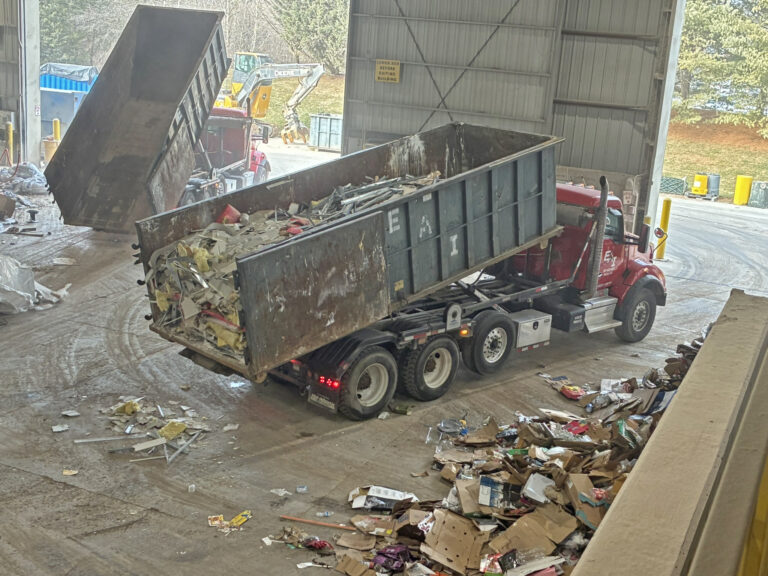
Anyone who works around construction knows how quickly debris can pile up. A demolition project, building renovation, roof replacement, or road project can produce tons of material in a short amount of time. The easy answer may be to treat all of it as waste, but a lot of what comes off a job site can be recycled. Concrete, brick, roofing shingles, natural wood, metal, and other materials still have value even after their original job is done.
C&D Recovery in Clarksburg, MD, gives contractors, builders, businesses, and property owners a place to bring approved construction and demolition materials for recycling. Knowing what can be recycled before a project gets underway makes it easier to separate materials as you go and can reduce the amount of debris headed to a landfill. Here are seven common materials worth thinking twice about before throwing them away.
1. Concrete
Concrete is one of the heaviest materials coming off a construction or demolition project, and there’s usually plenty of it. Old foundations, sidewalks, curbs, slabs, parking areas, roadwork, and building demolition can all generate large quantities of concrete. Sending all that weight to a landfill doesn’t make much sense when the material can be crushed and processed for use again.
C&D Recovery accepts concrete at its Clarksburg facility, making it easier for contractors to keep this material out of the landfill. Recycled concrete can have another life as aggregate used in construction applications, reducing the need to rely entirely on newly quarried material. This is also something C&D Recovery’s sister company, Pleasants Construction, knows well. Its work includes demolition and material processing, and the company provides recycled concrete products for construction projects throughout the region. You can learn more about the process in our guide to Concrete Recycling in Maryland.
2. Brick and Block
Brick and block are common on demolition and renovation jobs, especially when working with older commercial buildings, schools, warehouses, and other masonry structures. Like concrete, these materials are heavy and can take up a lot of space when they’re simply hauled away as waste. Keeping them separated from trash and materials that aren’t accepted gives them a better chance of being recovered rather than landfilled.
C&D Recovery accepts both brick and block, so it makes sense to consider recycling before demolition gets underway. On a larger project, deciding where these materials will go ahead of time can also make cleanup easier for the crew. Instead of sorting through a mixed pile at the end of the job, recyclable masonry can be handled as it’s removed.
3. Asphalt Roofing Shingles
Anybody who has been around a roofing project knows how quickly old shingles add up. Once crews start tearing off an existing roof, you can have a significant amount of material on the ground before lunch. Multiply that across the number of residential and commercial roof replacements happening throughout Maryland and Washington, DC, and it’s easy to see why roofing debris deserves more attention.
Asphalt roofing shingles are among the materials accepted at C&D Recovery. For roofing contractors, planning for recycling before tear-off begins makes the process much easier. Keeping shingles separate from general trash and materials that aren’t accepted means crews aren’t trying to sort everything after the roof is already finished.
4. Natural Wood and Brush
Construction isn’t the only work that creates recyclable material. Site clearing, redevelopment, demolition, and landscaping can generate large amounts of natural wood and brush. Trees, limbs, brush, and other approved natural wood materials can take up a surprising amount of space, particularly on larger projects where clearing happens before construction even begins.
C&D Recovery accepts natural wood and brush, providing another option besides treating these materials as waste. Keeping natural wood separate from household trash, treated materials, and other debris also makes the load easier to manage. For projects involving a lot of clearing, planning for this material from the beginning can make a noticeable difference in how efficiently the site operates.
5. Metal Studding
Commercial renovations and interior demolition often leave behind piles of metal studding as walls and other building components come down. Unlike some construction debris, metal is an obvious candidate for recycling because it can be recovered and used again rather than taking up space in a landfill.
The trick is keeping it from getting buried in everything else. Setting aside an area for metal studding as demolition progresses makes recycling easier and keeps the work area more organized. C&D Recovery accepts metal studding, so contractors working on renovation and demolition projects should consider separating it before the debris leaves the site.
6. Cardboard
Cardboard isn’t as heavy as concrete or as noticeable as a pile of roofing shingles, but there can be a lot of it on a busy construction site. Building products, fixtures, equipment, appliances, and supplies arrive in boxes throughout a project. If nobody has a plan for that packaging, it usually gets tossed into the nearest pile or container along with everything else.
Cardboard is accepted at C&D Recovery, and it’s one of the easier materials to keep separate. Giving crews a designated place for boxes from the beginning keeps cardboard from getting mixed with general debris and makes cleanup easier. It’s a small change, but over the course of a large project those boxes can add up.
7. Road and Bridge Materials
Roadwork, bridge demolition, infrastructure improvements, and other heavy construction projects generate a different kind of waste stream than a typical building renovation. These jobs can produce large amounts of concrete and other road and bridge materials that have to be moved efficiently to keep the project on schedule. C&D Recovery accepts approved road and bridge materials, giving contractors another option for managing debris from infrastructure work.
There’s a natural connection here with sister company Pleasants Construction, whose work includes site development, demolition, earthwork, paving, and material processing. On projects like these, recycling isn’t something that has to happen separately from construction. When it’s planned correctly, managing recyclable material simply becomes another part of moving the job forward.
Make Recycling Part of the Job From the Start
The best time to figure out what you’re going to do with construction debris isn’t when the truck is already loaded. If you know a project is going to generate concrete, brick, shingles, wood, metal, or other recyclable materials, make a plan for them before work begins. Give the crew clear places to put different materials and make sure everyone knows what shouldn’t be mixed into those loads. It doesn’t need to be complicated. A little organization at the beginning usually means less sorting, fewer headaches, and a cleaner job site later.
When a project needs dumpsters or roll-off service, C&D Recovery’s sister company EAI Rolloff can help with containers and hauling throughout Maryland, Washington, DC, and Northern Virginia. Having the hauling plan figured out along with the recycling plan gives contractors one less thing to deal with once the project gets busy.
Before You Bring a Load to C&D Recovery
Not everything that comes off a construction site belongs at a C&D recycling facility. C&D Recovery has specific guidelines covering what it accepts and what it doesn’t, and it’s worth checking those before loading up. Batteries, asbestos, hazardous waste, liquids, contaminated soils, residential trash, and other prohibited materials need to be kept out of recycling loads.
The main thing is to know what you’re dealing with before you leave the job site. Concrete, brick, block, asphalt roofing shingles, natural wood and brush, metal studding, cardboard, and approved road and bridge materials don’t automatically have to become landfill waste. Keeping those materials separate and bringing them to C&D Recovery can put them on a better path.
Before heading to the Clarksburg, MD facility, review C&D Recovery’s Items We Accept and Items We Don’t Accept pages. If something in your load doesn’t clearly fit either list, give the team a call before making the trip. It’s a lot easier to ask the question at the job site than after you’ve already pulled through the gate.