
- The Woodsy Owl “Skip the Bin! Turn Your Batteries In!” campaign surpassed 200,000 website visitors in August and continues expanding battery safety education nationwide.
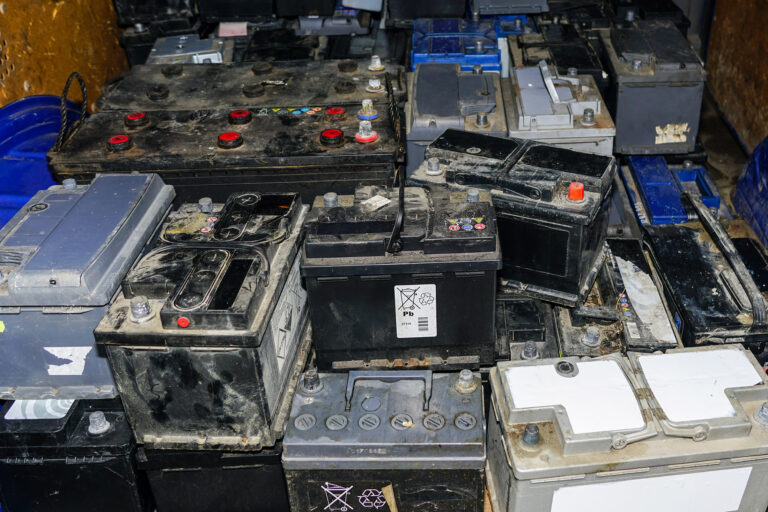
- Batteries can create serious fire hazards when they are mixed with trash, recycling or construction debris, especially when they are crushed or damaged during processing.
- C&D Recovery does not accept or recycle batteries. Used batteries should be separated from construction debris and taken to an appropriate battery collection or drop-off location.
The message behind the Woodsy Owl® “Skip the Bin! Turn Your Batteries In!” campaign continues to reach more people across the country, and after a busy summer, the push for safer battery disposal is gaining even more momentum.
In August, the National Waste & Recycling Association (NWRA) and Woodsy Owl brought the campaign directly to families at two summertime traditions, the Ohio and Illinois state fairs. With thousands of people gathering for rides, food, games and entertainment, the fairs provided an opportunity to bring an important safety message into an everyday setting: used batteries do not belong in household trash, recycling bins or other waste streams.
For C&D Recovery, that is a message worth continuing to share. Batteries that are improperly discarded can create serious fire risks during collection, transportation and material processing. C&D Recovery does not accept or recycle batteries, and batteries should never be included in construction and demolition debris brought to our facility.
From State Fairs to More Than 200,000 Website Visitors
The campaign’s in-person outreach has been backed by significant growth online. After attracting more than 50,000 website visitors in July alone, Battery Safety Now surpassed 200,000 total visitors in August since the nationwide campaign launched in January 2026.
That growing interest is important because battery-powered products have become part of everyday life. Cell phones, laptops, power tools, landscaping equipment, toys, e-bikes and countless other products rely on batteries, particularly lithium-ion batteries. As the number of these products increases, so does the importance of knowing what to do with batteries when they are damaged or reach the end of their useful life.
The campaign makes the message easy to remember: “Skip the Bin! Turn Your Batteries In!”
Used batteries should be taken to an appropriate battery collection or drop-off location where they can be safely handled. They should not be tossed into a recycling bin, trash container or construction debris load.
Battery Safety Reaches the Washington, DC Area
The campaign also received national and regional media attention this summer. Michael E. Hoffman, president and CEO of the National Waste and Recycling Foundation, appeared on CBS News New York in late July to discuss the dangers associated with lithium-ion batteries and how consumers can dispose of them safely.
In August, Hoffman brought that same message closer to home with an appearance on Washington, DC’s WUSA9. During the segment, he shared practical steps families can take to reduce battery fire risks, including keeping batteries and battery-powered products away from extreme heat, taping battery terminals before disposal and taking used batteries to a safe drop-off location.
The Washington, DC coverage is especially relevant for C&D Recovery and the contractors, businesses and communities we serve throughout Maryland and the greater DC region. Battery safety is not simply an issue for the waste and recycling industry. It begins at homes, businesses and jobsites before materials ever reach a recycling facility.
One Battery Can Create a Serious Problem
For construction and demolition recycling operations, batteries present a unique concern because they can be difficult to spot once mixed into a larger load of material. A small battery hidden among construction debris may be crushed, punctured or damaged as materials are unloaded, moved or processed.
Any battery has the potential to become a fire hazard, and lithium-ion batteries can be especially dangerous when damaged. A single improperly discarded battery can put employees at risk, damage expensive equipment and potentially interrupt recycling operations.
Contractors can help by checking materials before loading dumpsters or hauling debris. Batteries should be removed from power tools, emergency lighting, smoke detectors, security equipment, electronics and other battery-powered products and kept separate from construction debris.
September Brings National Battery Take-Back Day
The momentum behind the campaign will continue into September with National Battery Take-Back Day in mid-September, along with additional Woodsy Owl appearances planned in Ohio and Pennsylvania.
National Battery Take-Back Day provides another opportunity to remind people that responsible recycling sometimes means knowing what should not go into a recycling bin. Batteries require their own recovery process, and taking them to an approved collection location helps keep potentially dangerous batteries out of waste and recycling facilities while allowing valuable battery materials to be properly recovered.
Consumers and businesses looking for information about safe battery disposal, upcoming events and battery drop-off options can visit Battery Safety Now.
Recycling Is Real, and Doing It Right Matters
One of the larger goals behind the Woodsy Owl campaign is restoring public confidence in recycling through the message “Recycling Is Real.” For those of us working in the recycling industry, that message hits home.
Recycling works when materials are put into the right recovery stream. At C&D Recovery, construction and demolition materials are processed so usable resources can be recovered instead of simply being sent to a landfill. Batteries require a different recycling process, which is why they should be kept separate and taken to an approved battery collection program.
C&D Recovery does not accept batteries for recycling or disposal. We do, however, strongly support the work being done by Woodsy Owl, the National Waste & Recycling Association and the National Waste and Recycling Foundation to educate the public about safe battery recovery.
The campaign’s growing reach is encouraging because every person who learns to “Skip the Bin” can help prevent the next battery fire. Whether you’re cleaning out a garage, replacing a battery in a power tool or preparing a construction site for demolition, take the extra moment to separate those batteries and get them to the right place.
Safe recycling depends on all of us doing our part, and sometimes the most important thing you can recycle is the one thing you keep out of the bin.