
Keys to Remember
- What to check before bringing construction debris to a recycling facility
- How to prepare a construction or demolition debris load for recycling
- Materials and common problems contractors should check before hauling C&D waste
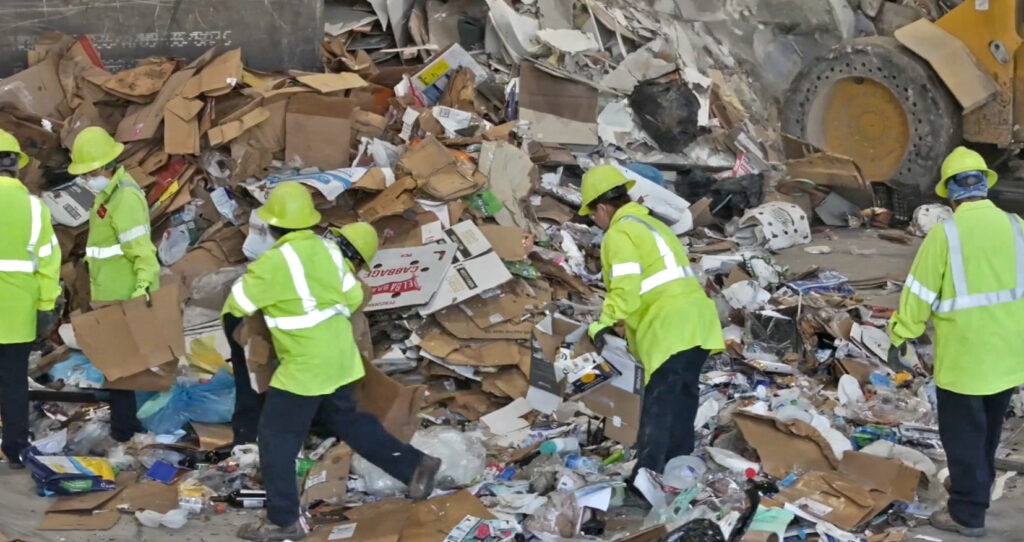
When you’ve got a truck or container full of construction debris, the last thing you want is to get to the recycling facility and find out there’s a problem with the load. Maybe there’s a material mixed in that isn’t accepted, a few batteries were tossed into the container, or something came out of an old building that should have been handled separately. Most of these problems are easier to deal with at the job site than they are once everything is loaded and ready to go.
C&D Recovery in Clarksburg, Maryland, accepts a wide range of construction and demolition materials from projects throughout Maryland and the Washington, DC area. Taking a few minutes to check what’s in your load before it leaves the job can help avoid delays and keep recyclable material from being mixed with something that doesn’t belong. Whether you’re working on a demolition, renovation, roofing project, or new construction site, here are seven things worth checking before you head to a C&D recycling facility.
1. Make Sure the Facility Accepts What You’re Hauling
This sounds obvious, but construction projects can produce a pretty wide mix of materials, and not every recycling facility handles the same things. Before loading a truck or container, make sure you know what the facility accepts. This becomes especially important on demolition and renovation projects where crews may be removing several different types of material at the same time.
C&D Recovery accepts materials including building materials, road and bridge materials, asphalt roofing shingles, construction and demolition debris, natural wood and brush, block, cardboard, metal studding, brick, and concrete. If you’re working with something that isn’t clearly listed, it’s better to ask about it before making the trip rather than assuming it can be included.
2. Check for Materials That Don’t Belong
Knowing what’s accepted is only half the job. You also need to know what shouldn’t be in the load. Hazardous waste, asbestos, contaminated soils, liquid waste, residential trash, batteries, automobiles and parts, burnt materials, and several other types of waste are not accepted at C&D Recovery. These aren’t materials you want to discover buried underneath everything else once the container is full.
A quick check before the load leaves can catch a lot of problems. This is particularly helpful when several crews or subcontractors are using the same container because someone may toss something in without realizing it doesn’t belong. Our guide to Materials Not Accepted at C&D Recovery goes into more detail about common problem materials and why some types of waste require different handling.
3. Look for Batteries Before They Get Buried
Batteries deserve their own spot on this list because they’re easy to overlook and can create a serious problem. Construction sites are full of battery-powered tools, electronics, equipment, lighting, and other devices. During demolition and cleanout work, batteries can also turn up in materials being removed from a building. If one gets tossed into a container and covered with heavier debris, it may never be noticed before the load leaves the job.
Lithium-ion batteries can become dangerous when they’re crushed, punctured, or damaged. A battery buried in construction debris can be hit by equipment or damaged during processing, creating a fire risk for trucks, workers, and recycling facilities. C&D Recovery does not accept batteries, so crews should have a separate place for them and make sure they never end up mixed with construction debris.
4. Know What’s Coming Out of an Older Building
Older buildings can come with surprises. During renovation or demolition, contractors may run into old tanks, drums, insulation, flooring, contaminated materials, or other items that need a closer look before they’re thrown into a container. Something that looks like ordinary demolition debris may require special handling depending on what it is or what it previously contained.
This is one reason it pays to walk a demolition project and identify questionable materials before heavy work begins. If something is unknown, don’t assume it belongs in the load. Finding out what you’re dealing with while it’s still sitting on the job site is much easier than trying to sort it out after the material has been loaded with several tons of concrete, brick, wood, and other debris.
5. Keep Recyclable Material as Clean as You Can
Construction recycling doesn’t mean every piece of debris needs to be perfectly sorted and spotless, but keeping problem materials out of a load makes the whole process easier. Concrete, brick, block, natural wood, metal studding, cardboard, and other construction materials are much easier to manage when they haven’t been mixed with household trash, liquids, hazardous materials, or other prohibited waste.
This starts with how the job site is set up. If everyone on the crew knows which container or area is being used for construction debris and what needs to stay out, you have a much better chance of keeping the load in good shape. On larger projects, communicating the plan to subcontractors is just as important. It doesn’t take much for a clean container to become a mixed load when dozens of people are working around it every day.
6. Make Sure the Load Is Ready to Travel
There’s another part of hauling debris that’s easy to forget when everyone is focused on what’s inside the container: getting it safely from the project to the recycling facility. Loose material needs to be properly contained and the load needs to be ready for transportation before it leaves the job site. Taking a few minutes to look things over before the truck pulls out is a lot easier than dealing with a problem on the road.
For projects that need roll-off containers and hauling, C&D Recovery’s sister company EAI Rolloff provides dumpster and hauling services throughout Maryland, Washington, DC, Northern Virginia, and the surrounding region. Planning containers and pickups around the amount and type of debris a project generates can help keep material moving instead of having full containers sitting around and slowing down the job.
7. Check the Facility Information Before You Leave
Even if you’ve been to a recycling facility before, it’s worth checking the current information before sending a load. Hours, rates, material requirements, and other details can change, and you don’t want a driver making an unnecessary trip because everyone was working from old information. This is especially important if you’re bringing in an unusual material or something you haven’t hauled there before.
Before heading to C&D Recovery, check the current Items We Accept and Items We Don’t Accept pages and review the latest dumping information. If there’s any question about something in your load, call the facility before you leave. A two-minute conversation can be a lot easier than figuring out what to do with a full truck after you’ve already arrived.
A Quick Check Can Save a Lot of Time
Preparing construction debris for recycling doesn’t need to turn into another complicated job-site process. Most of it comes down to knowing what’s in the load, keeping materials that don’t belong out of it, and making sure everyone using the container understands the plan. On demolition projects especially, doing some of that work before the machines start moving can save a lot of sorting and confusion later.
C&D Recovery provides contractors, builders, businesses, and property owners with a local option for recycling approved construction and demolition materials at its Clarksburg facility. Before bringing your next load, take a few minutes to look it over, check the current facility information, and make sure you’re not hauling anything that needs to go somewhere else. If you’re unsure about a material, give C&D Recovery a call before you head out. It’s a simple step that can save time for everyone once you get to the facility.