
- Construction waste management tips for contractors
- How to reduce construction waste on the job site
- Better ways to recycle construction debris in Maryland
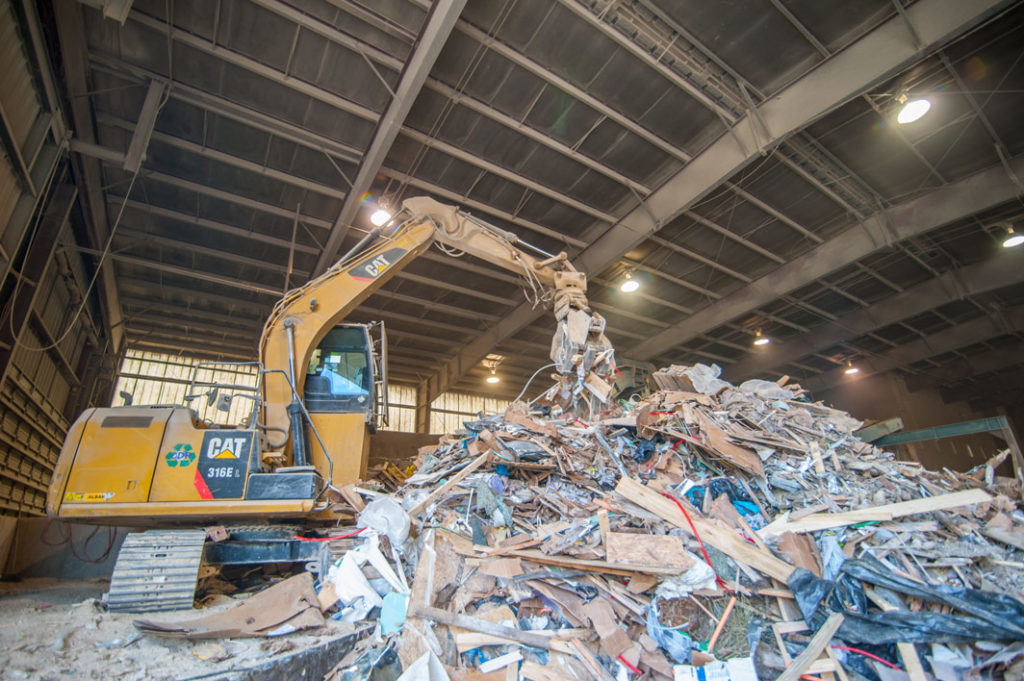
Every construction project creates waste. Whether you’re building a new commercial property, renovating an office, replacing a roof, or demolishing an old structure, debris starts piling up from the very beginning. While waste management may not be the first thing on your mind when a project starts, having a plan in place can save time, reduce costs, improve job site safety, and make the entire project run more efficiently. As construction activity continues to grow throughout Maryland and the Washington, DC metro area, contractors are also finding that recycling construction materials is becoming an important part of doing business. If you’re just getting started with construction recycling, our Ultimate Guide to Construction and Demolition Recycling in Maryland explains the recycling process and why it’s becoming a standard practice across the industry.
C&D Recovery, located in Clarksburg, MD, provides contractors, builders, and property owners with a convenient location to recycle many common construction and demolition materials. Rather than viewing construction debris as something that simply needs to be thrown away, many materials can be recycled and used again in future construction projects. Taking advantage of those opportunities starts with having a solid waste management plan before the first piece of equipment arrives on the job site.
Start Planning Before Construction Begins
Good construction waste management doesn’t happen by accident. It begins during the planning stage, long before demolition or construction work starts. Every project produces different types of debris, and understanding what those materials will be allows you to organize the site more effectively from day one. A commercial demolition project, for example, will generate different recyclable materials than a roof replacement or a roadway improvement project. Thinking through these details ahead of time makes it easier to decide how materials will be handled, where they will be stored, and which items can be recycled instead of sent to a landfill.
Planning also helps keep everyone on the same page. When crews know where different materials belong, cleanup becomes part of the normal workflow instead of something that happens at the end of the project. That simple change can improve productivity, reduce clutter, and help projects stay on schedule.
An Organized Job Site Saves Time and Money
Anyone who has worked in construction knows that an organized job site is usually a productive job site. Debris scattered around the work area creates unnecessary hazards, slows down equipment operators, and makes it harder for crews to move efficiently throughout the day. It can also create delays when it’s time to clean up because materials have to be sorted after they’ve already been mixed together.
Keeping designated areas for recyclable materials like concrete, brick, natural wood, metal studding, and cardboard helps eliminate many of these problems. As materials are removed, they can be placed where they belong instead of being piled together. This not only makes recycling easier, but it also creates a cleaner work environment and leaves a better impression on customers, inspectors, and other contractors visiting the site.
Recycling Starts With Proper Material Separation
One of the easiest ways to improve construction waste management is by separating recyclable materials as work progresses. Waiting until the end of a project to sort everything usually creates more work and often results in recyclable materials becoming contaminated. Once that happens, materials that could have been recycled may end up going to a landfill instead.
C&D Recovery accepts many construction materials for recycling, including concrete, brick, block, asphalt roofing shingles, natural wood and brush, cardboard, road and bridge materials, metal studding, and general construction and demolition debris. Taking a few extra minutes throughout the project to keep these materials separated can make unloading faster, improve recycling efficiency, and reduce disposal costs. Before transporting materials, it’s always a good idea to review the construction materials accepted at C&D Recovery so your load arrives ready for processing.
Recycling Makes Good Business Sense
Many people associate recycling with environmental responsibility, but contractors know there are practical business benefits as well. Every load of recyclable material that stays out of a landfill helps reduce disposal costs while supporting more efficient use of natural resources. As landfill fees continue to increase across Maryland and Washington, DC, recycling has become an effective way for contractors to better manage project expenses without sacrificing productivity.
Recycling also supports the growing demand for sustainable construction practices. More owners, developers, and municipalities are looking for contractors who make responsible waste management part of their projects. Recycling construction materials demonstrates a commitment to environmental stewardship while helping companies stand out in an increasingly competitive industry. If you’d like to learn more about these advantages, read our article on the top benefits of recycling C&D waste for contractors and builders.
Know What Doesn’t Belong in Your Load
Successful recycling isn’t just about knowing what can be recycled. It’s equally important to understand which materials cannot be accepted. Hazardous waste, asbestos, batteries, liquid waste, contaminated soils, residential trash, and other prohibited materials should never be mixed with recyclable construction debris. Mixing unacceptable materials into a load can create delays, increase disposal costs, and make the recycling process more difficult.
Taking a few minutes to review accepted materials before leaving the job site helps avoid these issues and ensures the recycling process goes as smoothly as possible. Contractors who make this part of their routine often find that waste management becomes easier with every project.
Small Changes Can Have a Big Impact
Improving construction waste management doesn’t require expensive equipment or major changes to the way your company operates. In many cases, the biggest improvements come from building better habits into your daily workflow. Planning ahead, keeping the site organized, separating recyclable materials, and understanding where those materials should go all contribute to cleaner job sites and more efficient operations.
Simple practices like these often produce long-term benefits:
- Plan for waste management before construction begins.
- Keep recyclable materials separated whenever possible.
- Maintain a clean and organized job site throughout the project.
- Review accepted materials before transporting debris.
- Recycle construction materials whenever practical instead of sending them to a landfill.
These habits not only reduce waste but also improve productivity, lower disposal costs, and help crews work more efficiently from start to finish.
Managing construction waste efficiently is about much more than keeping a project clean. It’s about improving productivity, reducing unnecessary costs, and making better use of valuable construction materials. Contractors who take the time to plan ahead and recycle whenever possible often discover that waste management becomes one more tool for running successful projects.
C&D Recovery helps contractors, builders, and property owners throughout Maryland and the Washington, DC metro area recycle construction and demolition materials responsibly. By making recycling part of your normal workflow, you can reduce landfill waste, improve project efficiency, and support a more sustainable construction industry. If you’re planning your next project, contact C&D Recovery in Clarksburg, MD to learn more about recycling services and accepted materials.