
- What happens to construction and demolition waste
- How construction debris is recycled in Maryland
- Where contractors take recyclable construction materials
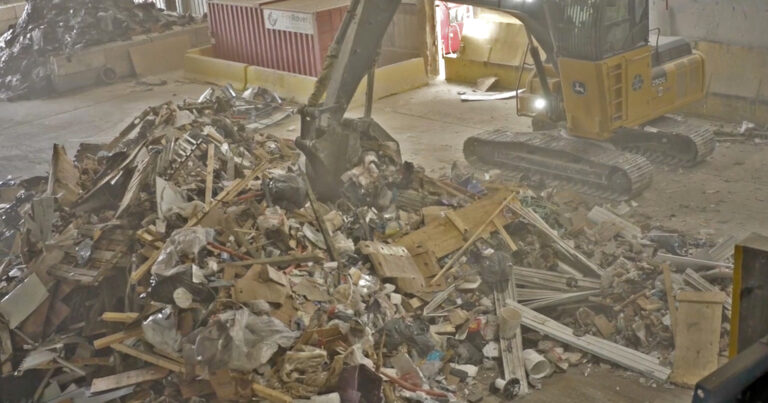
Most people see construction debris leave a job site but never think about what happens next. Whether it’s concrete, brick, roofing shingles, or wood materials, construction and demolition (C&D) waste goes through several steps before it is recycled or properly disposed of.
In the Washington, DC metro area, recycling construction materials has become more important than ever. Landfill space is limited, disposal costs continue to rise, and more contractors are looking for sustainable ways to manage debris.
C&D Recovery, located in Clarksburg, MD, helps contractors and homeowners recycle construction and demolition materials instead of sending them directly to landfills. For larger projects, dumpsters and roll-off containers from EAI Rolloff help collect debris efficiently before materials are delivered to the recycling facility.
Common Construction Materials That Can Be Recycled
Construction and demolition projects create many different types of materials. Many of these materials can be recycled and reused instead of thrown away. Common recyclable materials accepted at C&D Recovery include:
- Concrete
- Brick and block
- Asphalt roofing shingles
- Natural wood and brush
- Metal studding
- Cardboard
- Road and bridge materials
- General construction and demolition debris
Recycling these materials helps reduce landfill waste while supporting more efficient and environmentally responsible construction practices.
How Construction Waste is Collected
The first step in the recycling process is collecting debris safely and efficiently on the job site. Contractors often use dumpsters or roll-off containers to keep debris organized during construction or demolition work.
Separating materials like concrete, wood, metal, and brick early in the process helps improve recycling efficiency later. Mixed debris can slow down sorting and increase disposal costs.
For larger projects, roll-off containers provide a simple way to manage debris before transporting it to C&D Recovery for recycling.
What Happens When Materials Arrive at a Recycling Facility?
Once construction debris arrives at C&D Recovery, materials are sorted and processed based on type. The goal is to recover as much recyclable material as possible and reduce the amount of waste sent to landfills.
Different materials go through different recycling processes:
- Concrete materials are crushed into reusable aggregate
- Brick and block materials are processed for reuse
- Metal studding is separated for recycling
- Natural wood and brush materials are processed for beneficial reuse
- Asphalt roofing shingles are recycled for future applications
Sorting materials correctly is one of the most important parts of the recycling process. The more material that can be recovered, the less waste ends up in landfills across Maryland and Washington, DC.
Why Recycling Construction Waste Matters
Construction debris takes up a large amount of landfill space throughout the DC metro area. Recycling helps reduce pressure on landfills and supports more sustainable construction practices. As sustainability becomes a larger focus in the construction industry, recycling is becoming a standard part of responsible project management.
There are several major benefits to recycling construction debris:
- Reduces landfill waste
- Conserves natural resources
- Supports environmentally responsible construction
- Helps lower disposal costs
- Keeps reusable materials in circulation
Common Materials Processed for Recycling
Many contractors are surprised by how many construction materials can be recycled and reused.
- Concrete – Concrete materials can be crushed and reused in future construction applications.
- Brick and Block – Brick, block, and masonry materials can be processed for reuse as fill and aggregate material.
- Metal Studding – Metal materials are separated and recycled for future manufacturing use.
- Natural Wood & Brush – Wood and brush materials can be processed for beneficial reuse.
- Asphalt Roofing Shingles – Roofing shingles can be recycled and repurposed for other applications.
Materials That Cannot Be Accepted
For safety and environmental reasons, some materials are not accepted at C&D Recovery, including:
- Hazardous waste
- Asbestos
- Batteries
- Liquid waste
- Residential trash
- Contaminated soils
- Burnt materials
- Industrial waste
Contractors and homeowners should always review accepted material guidelines before bringing debris to the facility.
The Importance of Recycling in the DC Metro Area
The Washington, DC metro area continues to experience major growth in construction and redevelopment projects. Without proper recycling, reusable construction materials would continue filling local landfills at a rapid pace. Contractors across Maryland and DC are also facing increasing pressure to improve sustainability practices and reduce environmental impact. Recycling construction debris is one of the easiest and most effective ways to accomplish this.
By bringing recyclable materials to C&D Recovery, contractors and homeowners help support cleaner job sites, more efficient waste management, and stronger environmental practices throughout the region.
Construction waste does not simply disappear after it leaves a job site. Materials go through an important process of collection, sorting, recycling, and reuse. C&D Recovery helps contractors and homeowners throughout Maryland and the DC metro area recycle construction and demolition debris responsibly. By separating recyclable materials and keeping waste out of landfills, projects become more efficient, cost-effective, and environmentally responsible.
For larger projects, EAI Rolloff offers dumpster and roll-off solutions to help manage debris collection before materials are delivered for recycling.
To learn more about accepted materials and construction recycling services, contact C&D Recovery in Clarksburg, MD, today.