
- Woodsy Owl is helping lead a national campaign promoting battery safety, responsible recycling, and the message that “Recycling Is Real.“
- Improperly disposed batteries create serious fire risks for waste and recycling facilities across the country.
- Proper battery recycling protects workers, conserves resources, and helps ensure recycling systems continue to operate safely and effectively.
Woodsy Owl Returns with an Important Message for America
For generations, Woodsy Owl has encouraged Americans to care for the environment with his famous message: “Give a Hoot, Don’t Pollute.”
Today, Woodsy Owl is taking on a new challenge. In partnership with the waste and recycling industry, Woodsy Owl is helping lead a national public awareness campaign focused on battery safety, responsible recycling, and reminding people that recycling truly works when materials are handled correctly.
The campaign comes at an important time. As battery-powered devices become part of everyday life, recycling facilities across the country are seeing an increase in battery-related fires caused by improper disposal. The goal is simple: educate the public about safe battery recycling practices while restoring confidence that “Recycling Is Real.”
At C&D Recovery, we fully support this message because safe recycling starts with everyone doing their part. While C&D Recovery does not accept or recycle batteries, we recognize the importance of proper battery disposal and the role it plays in protecting workers, recycling facilities, and communities.
Why Batteries Need Special Attention
Today’s batteries power nearly everything around us, including:
- Smartphones
- Tablets
- Laptops
- Power tools
- Cordless equipment
- Vapes and e-cigarettes
- Watches
- Toys
- Smoke detectors
- Rechargeable household devices
While these products make life more convenient, they also create new challenges when they reach the end of their useful life.
Many batteries, especially lithium-ion batteries, can become dangerous when thrown into regular trash or mixed with recycling materials. If crushed, punctured, or damaged during collection and processing, they can spark fires that threaten workers, equipment, and entire recycling facilities.
This is one of the key reasons the Woodsy Owl campaign is focused on safe battery recovery. Keeping batteries out of regular waste and recycling streams helps protect people while ensuring valuable materials can be properly recovered and reused.
Responsible Recycling Starts with Proper Disposal
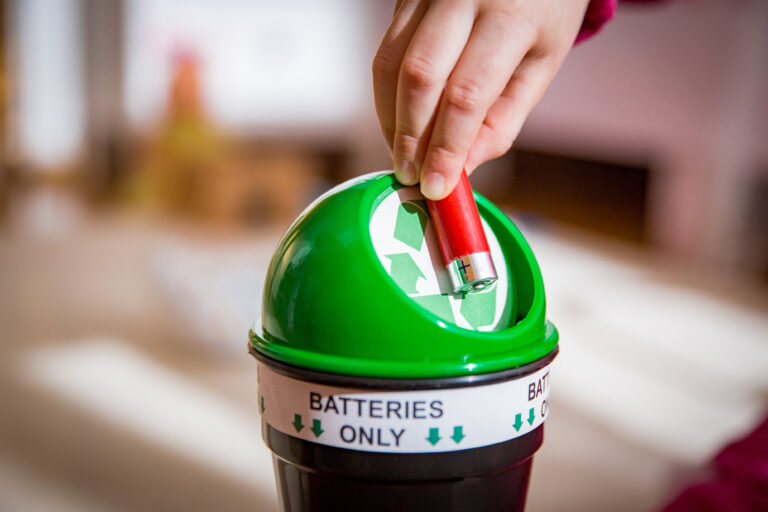
One of the most important messages behind the campaign is that recycling only works when materials are placed in the right location. Many people want to recycle but are unsure what belongs in a recycling container and what requires special handling. Batteries fall into the special handling category. Instead of placing batteries in trash cans, recycling bins, or construction debris containers, they should be taken to approved battery collection and recycling programs.
When batteries are properly recovered:
- Valuable materials can be reused.
- Fire risks are significantly reduced.
- Less material ends up in landfills.
- Recycling facilities operate more safely.
- Natural resources are conserved.
Responsible recycling is not simply about collecting materials. It is about making sure materials are managed correctly from start to finish. It is important to note that C&D Recovery does not accept batteries as part of construction and demolition recycling loads. Batteries should never be mixed with construction debris, household trash, or recyclable materials delivered to our facility. Instead, they should be taken to approved battery collection and recycling programs designed to safely handle and recover battery materials.
Why “Recycling Is Real” Matters
The national campaign also addresses a growing concern among many Americans who question whether recycling actually makes a difference. The answer is yes. Every day, recycling facilities across the country recover millions of tons of materials that are transformed into new products. Metals, cardboard, concrete, wood, asphalt, and many other materials are routinely processed and returned to productive use.
At C&D Recovery, we see this firsthand. Construction and demolition materials that might otherwise be buried in a landfill are processed and recycled into valuable resources that support future projects.
When people properly separate recyclable materials and follow disposal guidelines, the recycling system works exactly as intended.
The “Recycling Is Real” message serves as a reminder that individual actions matter. Every correctly recycled item helps support a circular economy and reduces the amount of waste sent to landfills.
The Construction Industry Has a Role to Play
Contractors, builders, and demolition professionals can make a significant impact by ensuring batteries are removed from materials before they enter the waste stream.
Construction sites often contain:
- Battery-powered tools
- Emergency lighting systems
- Smoke detectors
- Security devices
- Rechargeable equipment
- Electronic accessories
Before materials are transported for disposal or recycling, batteries should be identified, removed, and directed to appropriate battery recycling programs.
This simple step helps reduce fire risks throughout the recycling process and supports the goals of national battery safety initiatives like the Woodsy Owl campaign.
Supporting Safer Recycling for Everyone
The return of Woodsy Owl shines a spotlight on an issue that affects every community. Safe battery recovery is not just about preventing fires. It is about protecting workers, improving recycling systems, conserving resources, and building public confidence in the recycling process.
At C&D Recovery, we encourage customers to remove batteries from materials before bringing loads to our facility. While we do not accept batteries for recycling, we strongly support safe battery recovery through approved collection programs. By understanding where batteries belong and taking the time to recycle them properly, everyone can help create safer and more effective recycling systems.