
- What materials are not accepted at C&D Recovery?
- What construction debris requires special disposal or handling?
- What should contractors check before bringing debris to a recycling facility?
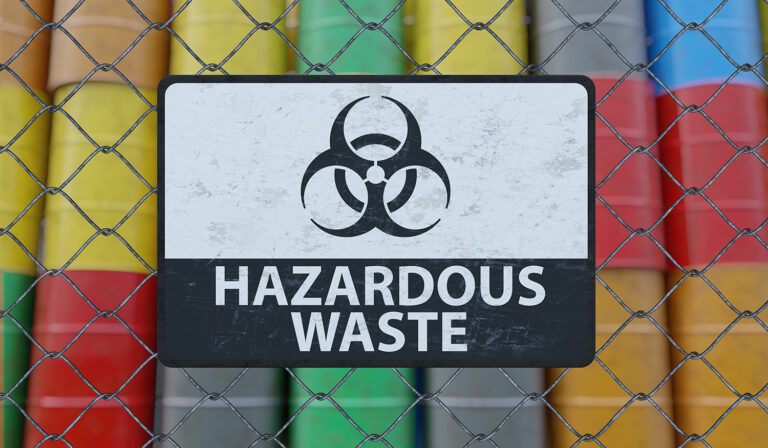
Knowing what you can bring to a construction recycling facility is important, but knowing what you cannot bring is just as important. Construction and demolition projects can generate everything from concrete and lumber to old batteries, tanks, contaminated materials, and general trash. Some of those materials can be recycled through a construction and demolition facility, while others require specialized handling or disposal. C&D Recovery in Clarksburg, MD, accepts a wide range of construction and demolition debris from contractors, businesses, and property owners, but certain materials cannot be safely processed at our facility. Checking your load before you leave the job site can save time, prevent problems when you arrive, and help make sure your construction debris is handled the right way.
Why Some Materials Cannot Be Accepted
Construction recycling facilities are designed to process specific types of construction and demolition debris. Materials that are hazardous, contaminated, liquid, or require special handling cannot simply be mixed in with regular C&D materials because they can create safety risks for employees and equipment or interfere with the recycling process. Some materials are also regulated and must be handled by facilities that are specifically equipped or permitted to manage them. This becomes especially important when working on older buildings, demolition sites, or properties where you may uncover materials that are difficult to identify. When that happens, it is always better to find out what you’re dealing with before putting it into a construction debris load.
Hazardous and Contaminated Materials
C&D Recovery does not accept hazardous waste, controlled substances, infectious waste, contaminated soils, industrial waste, liquid waste, or asbestos. These materials can present serious health, safety, and environmental concerns and require specialized handling and disposal. Asbestos is especially important to watch for when working on older buildings because it can be found in certain insulation, flooring, roofing products, and other older building materials. Contractors should identify and properly handle suspected asbestos-containing materials before demolition or renovation work begins rather than mixing them with general construction debris. The same goes for contaminated soil. Soil that may contain fuel, chemicals, or other contaminants should not be included with regular construction and demolition materials.
Batteries Don’t Belong in Construction Debris
Batteries are another material that should never be mixed into a construction debris load and are not accepted at C&D Recovery. This includes batteries that may be removed from tools, equipment, electronics, or other products during construction and demolition work. Lithium-ion and other batteries can become damaged when they are crushed, compacted, or processed with heavy materials, and a damaged battery can overheat or start a fire. That creates a serious risk for workers, trucks, equipment, and recycling facilities. Batteries should always be separated and taken to an appropriate battery recycling or disposal location. We’ve covered this issue in more detail in our article, Woodsy Owl’s Message Is Clear: Recycle Batteries Safely Because Recycling Is Real, including why proper battery recycling is so important.
Watch for Tanks, Drums and Other Problem Materials
Tanks and drums are another area where contractors need to pay close attention. C&D Recovery does not accept drums or certain tanks, including fire extinguishers and tanks that contained Freon, glue or adhesives, or propane. Even when a tank looks empty, there may still be pressure, vapor, liquid, or residue inside that creates a safety concern during transportation or processing. If you come across an old tank or drum during demolition or cleanup, identify what it contained and determine the proper way to handle it before adding it to your load. Taking a few extra minutes on the job site is much easier than discovering a problem after the truck has already been loaded.
General Trash, Cleanouts and Bulk Waste
C&D Recovery is a construction and demolition recycling facility, not a general household trash facility. Residential trash, solid waste, bulk waste, cleanout materials, shredded debris, automobiles and automobile parts, and burnt materials are not accepted. This distinction is especially important during renovation and demolition projects because a building cleanout can produce furniture, household goods, general trash, and recyclable construction materials at the same time. Instead of putting everything into one load, separate construction and demolition debris from household and bulk waste while you’re still on the job site. It is much easier to keep those materials apart as you work than it is to sort through a mixed load later.
What About Tires and Mattresses?
There are a couple of exceptions worth knowing about. C&D Recovery does accept tires and mattresses for an additional fee, so contractors dealing with either of these items should contact the facility ahead of time to confirm current pricing and requirements. This is also a good approach anytime you come across something you’re unsure about. No prohibited-material list can cover every unusual item that might turn up during a demolition, renovation, or construction project, and a quick call before you load the truck can save time and help you determine the right way to handle the material.
Check Your Load Before You Leave
The easiest way to avoid problems is to take a quick look at your load before heading to C&D Recovery. Make sure your construction debris isn’t mixed with batteries, liquids, residential trash, hazardous materials, tanks, or other prohibited items. Good separation also helps keep recyclable materials from becoming contaminated. Concrete, brick, block, asphalt roofing shingles, natural wood and brush, cardboard, metal studding, and other accepted construction materials have a much better chance of being recovered when they aren’t mixed with materials that don’t belong. On larger projects, setting aside designated areas for recyclable construction materials and other waste can make this much easier throughout the job. Our guide to managing construction waste more efficiently has more tips for planning, sorting, and recycling materials throughout a project.
Not Sure? Check Before You Bring It
Construction and demolition projects can uncover some unusual materials, especially during renovations and demolition of older buildings. If you find something you’re not sure about, don’t guess. C&D Recovery’s list of materials that are not accepted cannot cover every possible item, so contacting the facility before you arrive is the easiest way to avoid delays and make sure your debris is going to the right place.
Before your next trip, review the complete Items We Don’t Accept list along with the Items We Accept guidelines. Taking a few minutes to check your materials can save time at the facility, protect the people handling your debris, and make the entire construction recycling process more efficient. C&D Recovery is located in Clarksburg, MD, and serves contractors, businesses, and property owners throughout Maryland and the Washington, DC metro area. Contact the C&D Recovery team if you have questions about a specific material before bringing your load to the facility.